The practice of law is undergoing a structural transformation. Automation, data-driven decision-making and artificial intelligence are no longer peripheral innovations; they are becoming embedded in the daily work of law firms, in-house legal departments and regulatory bodies. Yet legal education has often struggled to provide students with meaningful exposure to these developments in a practical, structured way. The Legal Tech Hackathon 2026, hosted at the University of Oxford’s Faculty of Law in collaboration with BRYTER and Reed Smith LLP, offered a thoughtful and practical response. Rather than discussing the future of legal practice in abstract terms, it invited students to build it.
Over the course of an intensive three-hour programme – followed by an optional 24-hour innovation challenge – 30 students worked in teams to design and prototype functioning legal technology tools. What emerged was not only a series of impressive applications, but a compelling model for how legal education can respond to the growing demand for legal technology competencies.
Setting the Scene: Legal Engineering in Practice
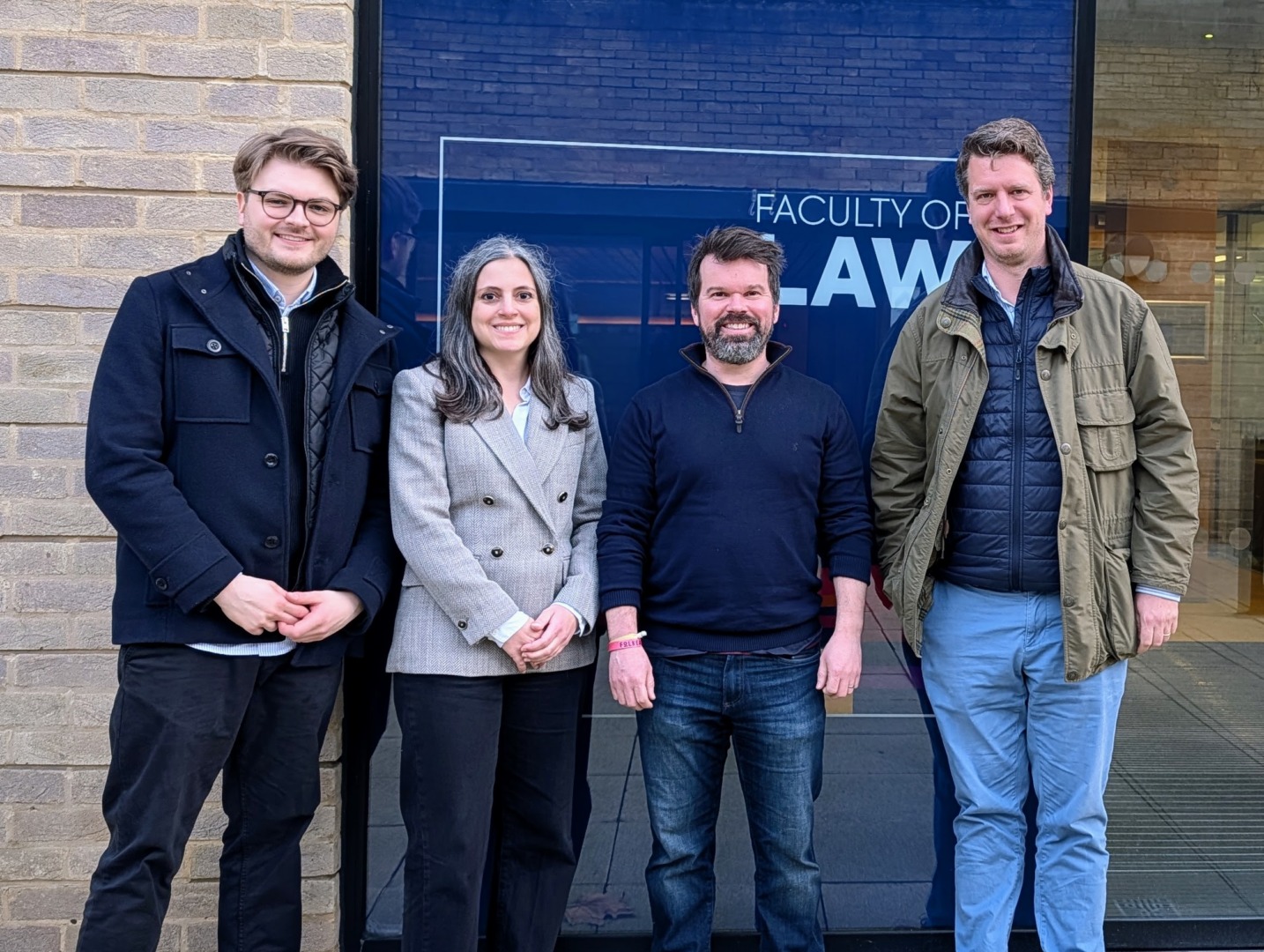
The event opened with welcoming remarks from Oxford alumnus Dr Micha-Manuel Bues, M.Jur., Co-founder of BRYTER, who described the hackathon as an opportunity to experiment, collaborate and challenge conventional approaches to legal practice. Reflecting on his own journey from law student to legal tech entrepreneur, he encouraged participants to think creatively about the future of legal work and the evolving roles and career paths within the profession.
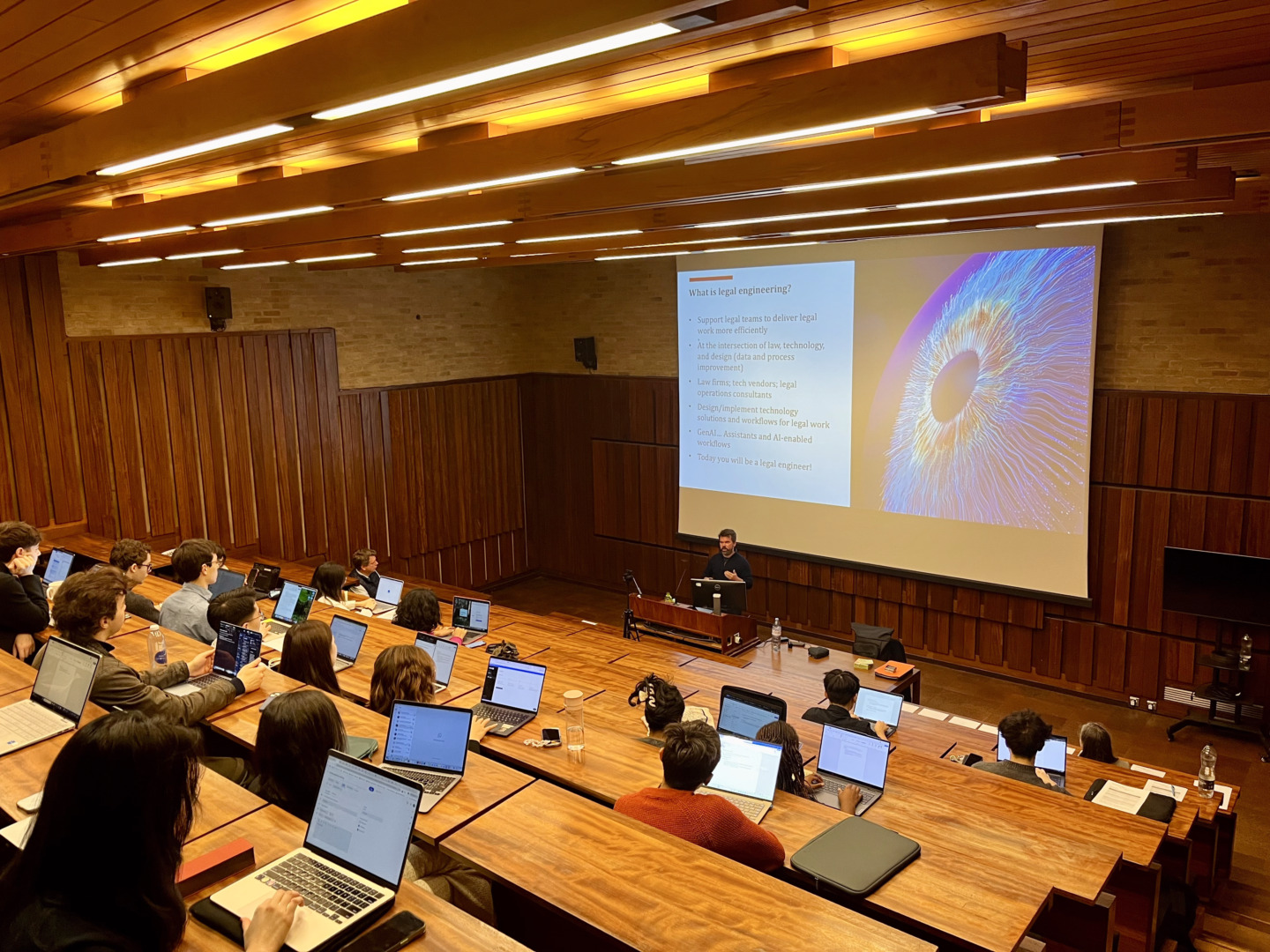
The keynote address was delivered by Struan Britland, Director of Legal Engineering at Reed Smith Legal Solutions. He introduced students to the discipline of legal engineering – a field that combines legal expertise, process design and technology to develop scalable digital solutions to legal challenges. Drawing on practical examples and his own professional journey, he explained how modern legal teams increasingly rely on professionals who can translate complex legal tasks and regulatory requirements into structured, automated workflows.
As Struan explained, “Developing the next generation of legal engineers is critically important for law firms and in-house legal teams. We need legal professionals who not only understand legal domains, but who can also design systems and processes that deliver legal services efficiently, consistently, and at scale.”
His remarks situated the hackathon within a broader professional context: this was not an isolated exercise, but a reflection of real and growing needs within the market.
The Hackathon Experience
Following the keynote, students were introduced to BRYTER’s AI workspace, BEAMON AI, and its no-code workflow automation platform. Participants were able to use both tools without requiring any prior programming or legal tech experience. Rather than writing code, they focused on translating legal reasoning into structured decision trees, defining user inputs, automating document outputs and integrating AI functionalities within rule-based environments.
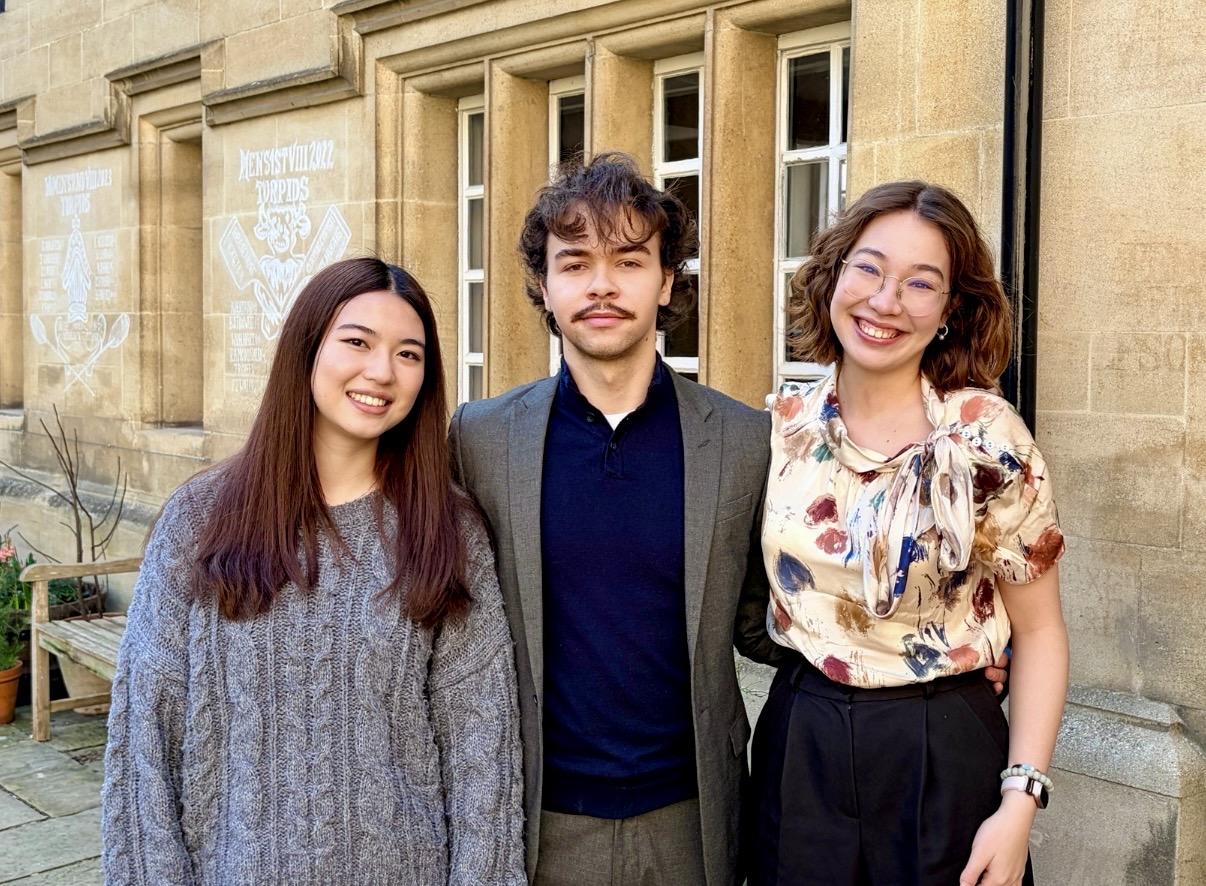
The 30 participants formed eight teams. Each team could choose either to work on a real-world case study or to develop a digital solution based on its own idea. Within a limited timeframe, teams were tasked with building fully functioning prototypes using BRYTER. Throughout the development session, experienced legal engineers acted as coaches, supporting students in designing and implementing their own automated legal applications.
The hackathon combined several elements:
- A substantive introduction to legal engineering
- Practical, hands-on technical training
- Collaborative problem-solving in teams
- Iterative feedback from practitioners
- A final presentation and live demonstration session
- Informal networking and space for creative exchange
At the conclusion of the hackathon, each team presented the problem it sought to address, outlined its technical approach and demonstrated its prototype.
From Introduction to Implementation: What Students Built
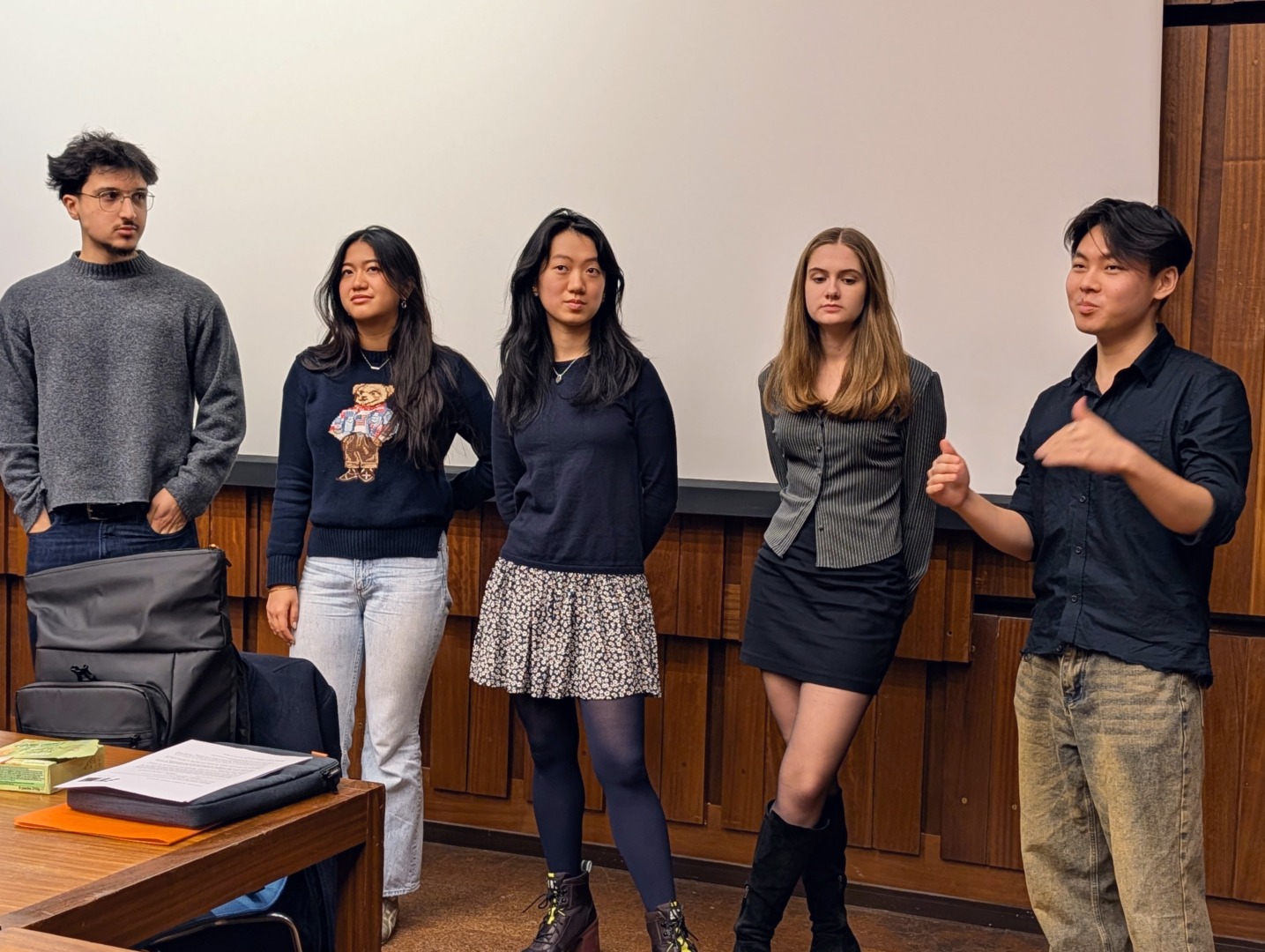
The range of projects reflected the breadth of contemporary legal practice. Among the solutions developed were:
- A cyberattack response assistant
- An NDA generator
- An M&A tax assistant
- An employment claims analysis tool
- A dispute resolution workflow
- A case law summariser
After the formal hackathon concluded, four teams chose to continue into a 24-hour Legal Innovation Challenge. This extended phase gave participants the opportunity to further develop and refine their prototypes, deepening the integration of AI functionalities within BRYTER’s rule-based workflow environment.
The final submissions included the following projects:
Automated NDA Generator
This workflow generates tailored non-disclosure agreements based on user inputs. By structuring conditional clauses and combining them with AI-assisted drafting, the team streamlines a common commercial task.
Team members: Paul Schmidt, Henry Luo and Joan Felguera Garzon
BriefBreach AI
A cyberattack response assistant that collects relevant information and automatically generates a structured notification document for submission to the Information Commissioner’s Office. This tool illustrates how automation can support regulatory compliance in time-sensitive contexts.
Team members: Elizabeth Akinkoye, Sivakami Arunan and Oliver Biswas
Case Summary Workflow
A research tool enabling users to upload judgments and select output formats, including summaries of facts and reasoning, comparisons of majority and minority opinions, procedural timelines and analysis of specific legal questions. The project demonstrates how AI can meaningfully support legal research by structuring complex material and generating tailored insights.
Team members: Atel Rassoli, Beatrix Lepsoe, Ellen Newman, Yvette Young and Jeremiah Seow
Tax Aggregation Model
Designed for use in M&A transactions, this application collects and processes tax-relevant data from two companies, normalises the information into a unified tax schema and stores it in a central database for use in a tax risk management system. The project demonstrates how structured data and automation can enhance the efficiency and reliability of tax due diligence and risk assessment.
Team members: Polina Kim, Sophie Lin and Enrikas Juselis
All participating students received a BRYTER Legal Engineering Certificate, and winners of the 24-hour challenge were recognised for particularly innovative contributions.
Reflecting on the outcomes, Micha-Manuel Bues noted,
“It is incredibly exciting to see what students can build in such a short amount of time. Their motivation and commitment show that the next generation is ready to engage with technology in a serious and creative way.”
Educational and Institutional Significance
The significance of formats such as hackathons lies not only in the prototypes students produce, but in the learning experiences they foster. Participants are encouraged to move beyond abstract doctrinal analysis and engage with practical questions: How can a legal rule be broken down into clear decision points? What information needs to be gathered? Where is human judgment indispensable? How can AI support legal reasoning? While specific technologies will inevitably evolve, these underlying methods of legal engineering will remain essential.
Hafsa Arif, Graduate Careers Officer at the Faculty of Law and organiser of the hackathon, observed:
“Students were very enthusiastic and even committed to participate in the 24-hour Innovation Challenge after the hackathon ended.”
This level of engagement suggests that many students view technology not as a niche interest, but as an integral part of their future professional development.